UK, EU cut trade barriers after decade
Leaders in Brussels agreed to remove checks on food exports and create a three-year youth mobility program.
By Enzo Grant ·
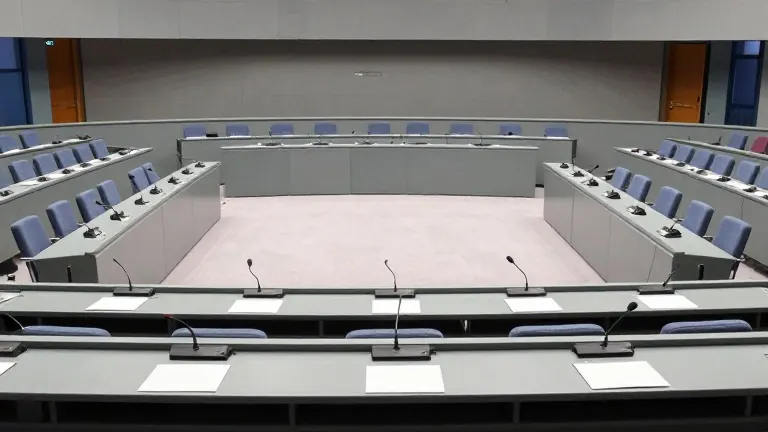
Leaders from the United Kingdom and the European Union reached a deal in Brussels on Friday to reduce commercial friction between the two entities.
The agreement removes border controls on animal and plant products and links carbon emission trading systems to lower taxes on certain exports. It also establishes a mobility program that allows 100,000 young adults from each side to live and work in the other region for up to three years.
Prime Minister Andy Burnham described the pact as a way to cut costs and keep supermarket prices low. He estimated the measures could add 17 billion pounds, or 22 billion dollars, to the British economy annually. This figure represents a 0.5 percent increase in economic production.
Ursula von der Leyen, president of the European Commission, called the agreement a turning point in relations. Burnham labeled the moment historic and stated that the two sides are rebuilding bridges broken over the past decade. He noted that the relationship with the bloc, the UK’s largest market, is becoming more constructive.
Negotiators still disagree on university tuition rates for students crossing the border. The European Union wants its citizens to pay domestic fees in the UK, a stance the British government has resisted. Both sides have set a six-month deadline to resolve this issue.
Alex Freudmann, chief food officer at Marks and Spencer, welcomed the end of agricultural checks. He noted that exporting Lincolnshire bolognese spaghetti to Dublin previously required hundreds of extra miles of travel, extensive paperwork, and veterinary signatures. The new rules remove these barriers.
Critics of the deal argue that accepting EU standards undermines the independence sought in the original vote to leave. Nigel Farage of Reform UK said Burnham took an incremental step toward returning to the union. However, Burnham stated that all options remain on the table, including rejoining, though he clarified that a return is not imminent.
Burnham said he wants to explore the scope of future ties before the next summit, which is likely to occur within a year. He acknowledged that the current agreements mark the limit of what can be achieved before the next national election.